Admit It, Life Would Be Boring Svg – A Hands-On Review
As someone who has spent years behind a commercial embroidery machine, testing and digitizing files, I’ve developed a strong eye for what will stitch out beautifully and what will cause endless frustration. When I came across the Admit It, Life Would Be Boring Svg from FA_Creativeidea, I knew I had to put it through its paces. This isn’t just a review of a pretty graphic; it’s a practical evaluation of how this design performs as a real machine embroidery design for actual projects, client work, and your craft business.
First Impressions: The Mood and Message of This Design
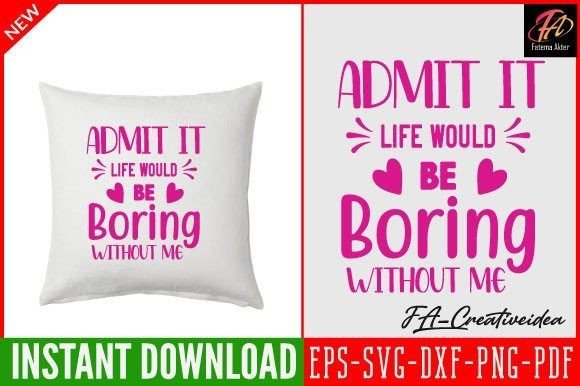
The phrase “Admit It, Life Would Be Boring” strikes a perfect balance. It’s humorous, honest, and universally relatable. It appeals to anyone who loves a bit of chaos, self-deprecating humor, or just a good conversation starter. From a design perspective, the layout is clean and bold. The typography is highly readable, which is critical when translating a Graphics file into an embroidery file. Delicate, thin scripts can be a disaster in thread, but this design leans into a sturdy, confident aesthetic. The mood is playful yet grounded, making it suitable for a wide range of handmade products, from cheeky gifts to boutique merchandise.
Real-World Embroidery: Bringing the Design to Life
I tested this design on a heavy canvas tote bag and a cozy sweatshirt to see how it handled different fabric textures. The stitch-out was remarkably smooth. The fill stitch laid down evenly without any pulling or gaps, and the satin stitch borders were crisp and clean. I used a bright white thread on a navy blue tote, and the contrast was fantastic. The design held its shape beautifully on the stretchy fleece of the sweatshirt, thanks to proper stabilization. This is where the embroidery project truly shines. It doesn’t just sit on the fabric; it becomes a durable, professional part of the product. The stitch density is well-balanced—enough to cover the fabric thoroughly without making it stiff or causing puckering.
Where to Use It: Best Products for This Design
This is a versatile design asset that fits a wide variety of products. Here are the best applications I tested:
- Custom Apparel: T-shirts, sweatshirts, and hoodies. The horizontal layout works perfectly on the front or back.
- Tote Bags: A match made in heaven. It’s a built-in conversation starter for a tote bag design.
- Baby & Kids: “Admit It, Life Would Be Boring” on a baby onesie is hilarious and sells well. Just be mindful of the fabric texture and softness.
- Home Decor: Pillow covers and tea towels. Ensure the stitch density isn’t too high for thin linen or cotton towels.
- Caps & Hats: Curved surfaces can be tricky. The lettering is clear enough to avoid distortion, but test it on a cap curve first.
- Holiday & Gifts: This makes a fantastic “just because” or birthday gift. It’s a personalized gift that doesn’t require a name.
- Embroidered Patch: An embroidered patch with this design would be a great addition to a jacket or backpack.
Hoop Size, Placement, and Stitching Considerations
One of the first things I check is whether the design fits standard hoop sizes. The exact dimensions depend on the file you purchase, so always check the specs before buying. A long phrase like this might need a 5x7 or 6x10 hoop. If you’re working with a small hoop, resizing the design is possible, but be extremely careful—resizing text can drastically alter stitch density and ruin the clarity of the lettering. I recommend testing the digital embroidery file in your software first to preview the stitch count and density. If you plan to use it for baby embroidery or lightweight fabrics, consider using a lighter stabilizer and a smaller needle to keep the back soft and the drape natural.
Practical Advice for Machine Embroidery
To get the best results from this design, follow these real-world guidelines:
- Test on Scrap Fabric: Always run a test stitch-out on a piece of fabric similar to your final product. This lets you check thread colors and stitch density without wasting materials.
- Stabilizer: For stretchy fabrics like sweatshirt fleece, use a medium-weight cutaway stabilizer. For stable wovens like canvas or cotton, a tearaway works well. Never skip this step.
- Needle: Use a sharp, new embroidery needle. A 75/11 or 80/12 is usually perfect. For dense designs, a titanium-coated needle can help prevent breakage.
- Thread Colors: High contrast is your friend. A dark thread on a dark fabric loses the message. Solid, matte polyester thread works best for satin stitch and fill stitch areas.
- Digitizing Quality: Preview the embroidery file in your software. Look for jump stitches or poor underlay. A well-digitized design will have a smooth underlay and clean edges.
- Printable Mockups: Use a printable mockup to visualize the final product for your listings. This builds customer trust and helps you price your finished product accurately.
Commercial Use and Selling Finished Products
I purchased this design from FA_Creativeidea’s store. The description states it’s for “T-Shirt Design Digital Files for yourself, friends family, or anyone who supports your Special.” This implies commercial use is likely allowed, but you must always double-check the specific licensing terms included with your purchase. As an Etsy seller or small business owner, you need to respect the artist’s rights. If you’re making handmade products for craft fairs or your online shop, this design is a great asset. It has a high perceived value. Customers are willing to pay a premium for a well-embroidered product with a clever, unique message. It builds brand consistency if you have a line of witty or humorous items. For commercial embroidery projects, this design is a reliable choice that delivers professional results.
Final Verdict: Is It Worth Adding to Your Library?
Let’s be honest—not every design asset you buy is going to be a winner. But Admit It, Life Would Be Boring Svg is a solid, practical addition to any craft business or digital product seller’s library. It’s versatile, stitch-friendly, and appeals to a wide audience. It stitches out beautifully, makes people smile, and helps create a finished product that feels genuinely professional. Add it to your collection, but remember my golden rule: test it first, then sell it with confidence.