Amstaff Dad SVG PNG Design Review
As a designer who has spent years steering a needle through hoops of thread and fabric, I approach every new vector file with a mix of hope and skepticism. The Amstaff Dad Svg Png Design from Doggie Art Delight Studio landed in my digital workspace last week, and I knew immediately it was a graphic I needed to test in real stitching conditions. American Staffordshire Terrier owners are a loyal, proud group, and a design that captures that bond—especially with a “Dad” twist—has clear project potential. But a good image on screen doesn’t always translate to a crisp, durable embroidery finish. Here’s what I found after running it through a few real-world tests, including a custom tote bag for a client’s father and an embroidered patch for a small shop order.
First Impressions: What This Design Brings to the Hoop
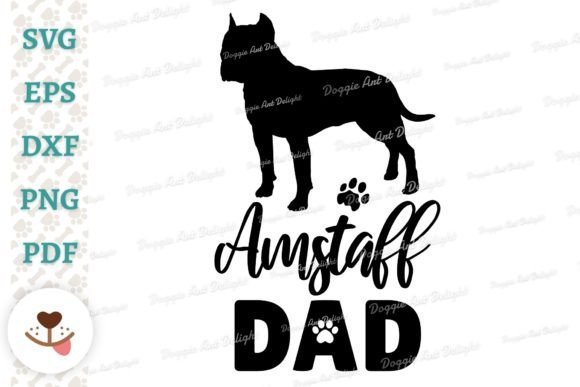
The mood of this graphic is warm, masculine, and unmistakably breed-specific. The outline and solid shapes of the Amstaff face are balanced with a clear “Dad” typography, which sets the tone for a gift-worthy or personal apparel project. From an embroidery standpoint, the visual personality works well: clean edges, moderate detail, and a central composition that doesn’t rely on tiny, easily lost elements. The design feels sturdy, which is reassuring when you’re thinking about stitch paths and fabric tension. It belongs naturally on items like sweatshirt embroidery, tote bag designs, custom apparel, and even embroidered patches for jackets or caps. Because the emphasis is on the dog’s face and a short word, the overall shape is compact and beginner-friendly for digitizing—provided you are starting from a vector file that can be converted into a machine embroidery design.
Real Case: Testing the Design on a Custom Tote Bag
My first real-use test was a cotton canvas tote bag for a client whose father had recently adopted an Amstaff. The goal: a durable, washable handmade product that the dad could carry to work or the dog park. I loaded the Amstaff Dad Svg Png Design into my digitizing software and converted the vector to an embroidery file with a mix of satin stitch for the outline and fill stitch for the solid areas. The design hooped easily in a 5x7 hoop, but I had to keep the stitch density moderate—too dense and the canvas would pucker; too light and the dog’s face would lose shape. After running a test on scrap fabric, I settled on three thread colors: a warm gray for the face, a deeper charcoal for the ears, and bright red for the “Dad” lettering to pop. The result was clean, well-covered, and the stabilizer (a medium-weight cutaway) kept the stitches from distorting. The client loved it, and the bag has survived three washes without any thread breaks or pull.
Where the Design Shines in Embroidery
This graphic works well across several product categories. On custom apparel like a heavyweight sweatshirt embroidery or a t-shirt design, the central placement is natural and readable. For baby embroidery, you could shrink it for a onesie, though the “Dad” text might limit sentimental appeal to specific recipients. Holiday embroidery gifts, personalized gifts, and small shop product lines all benefit from this design because it speaks directly to Amstaff enthusiasts. I also found it works well as an embroidered patch—just add a merrowed edge or a satin border during digitizing. For printable mockups and digital product previews, the PNG version is clear and easy to drop onto product photos without much editing. The design assets from Doggie Art Delight Studio are provided as vector and raster, which is helpful for both embroidery and crafts like cutting vinyl or engraving—categories that expand the commercial possibilities for an Etsy seller or creative entrepreneur.
Areas That Require Caution
No design is perfect for every substrate, and this one has a few limitations worth noting. Small hoop sizes (like 4x4) will force you to reduce the design significantly, which can make the dog’s facial details—especially the eyes and nose—turn into muddled blobs if you don’t simplify the stitch paths. On textured fabrics like fleece or bouclé, the fill stitch may struggle to penetrate evenly; a high-quality stabilizer (cutaway or no-show mesh) is essential. Stretchy fabric like jersey T-shirts will require a stabilizer that prevents flagging, and I recommend reducing stitch density by five to ten percent to avoid puckering. Dark fabrics can eat the contrast in the gray face tones—test your thread colors on a scrap of the actual garment fabric before committing. For curved surfaces like caps, the design needs to be under three inches wide and placed slightly off-center to avoid the curve distorting the “Dad” lettering. Finally, because the graphics are originally created for printing and cutting, they are not pre-digitized for embroidery. You will need to convert them from the SVG or PNG into a digital embroidery file (machine embroidery design format) using software or a third-party digitizer. Always test a sample embroidery project before stitching on the final product.
Visual Appeal, Product Value, and Customer Trust
When you offer a breed-specific design like this, you immediately establish a connection with a niche audience. Customer trust grows when the embroidery is clean and the design reflects genuine understanding of the breed’s characteristics. In my experience, handmade products featuring well-executed animal designs sell better at craft fairs and on Etsy because they feel personal. The Amstaff Dad Svg Png Design contributes to that brand consistency—it looks professional in printable mockups, and the final finished product elevates the perceived product value. Whether you create a personalized gift for a family member or list it as a custom apparel option in your craft business, this graphic helps build recognition among dog lovers. The giftability factor is high; I can see it working for Father’s Day, adoption anniversaries, or holiday presents. The design also translates well to applique design techniques—cut the shapes from felt or fabric and layer them with a satin stitch border for a textured, durable finish.
Practical Embroidery Designer Notes
- Test on scrap fabric first – always run a sample stitch-out with your chosen stabilizer and thread colors before touching the final product.
- Check thread color contrast – the gray tones of the dog’s face may need adjusting on very light or very dark garments. A high-contrast color like black, white, or a bright accent for the text can enhance readability.
- Review stitch density – if the fill areas appear too dense, reduce the density by 5–10% to avoid puckering on lighter fabrics. If the satin columns are too wide (over 7mm), consider splitting them into two passes.
- Confirm hoop size – the design fits best in a 5x7 or larger hoop. For smaller hoops, simplify the design by removing the text or reducing the dog’s detail.
- Inspect small details – eyes, nose, and any thin lines. If they are less than 1mm wide in the vector, they may be lost in embroidery. Enlarge or thicken them during digitizing.
- Test in black and white mockups – this helps you see silhouette clarity and whether the design reads as a dog or a generic blob when colors are removed.
- Compare light and dark fabric backgrounds – the same thread color can look different on a white tee versus a navy sweatshirt. Always stitch a sample on a fabric that matches your final project’s color.
- Use proper stabilizer – for most apparel: cutaway stabilizer for knits and stretchy fabrics; tear-away for stable wovens; water-soluble topper for high-pile fabrics like towels or fleece.
- Check licensing – Doggie Art Delight Studio states the files are for graphic design purposes. Confirm whether you can use them for commercial embroidery or digital product sales. If the license is for personal use only, respect that. If commercial use is allowed, you can sell the finished product but not the digital file itself.
- Digitize if needed – since this is an SVG/PNG, not a native embroidery file, you must convert it. Either use digitizing software or hire a professional digitizer. Do not skip this step; direct conversion without adjusting for thread properties leads to poor results.
Final Thoughts for the Embroidery Entrepreneur
The Amstaff Dad Svg Png Design is a solid choice for any machine embroidery design project aimed at American Staffordshire Terrier owners. It has a clear, appealing layout, good emotional resonance, and enough versatility to fit into many product categories under Crafts and Graphics. My initial skepticism about converting a vector to stitches faded after seeing the clean stitch-out on the tote bag and the patch. The design earns a practical recommendation, with the caveat that you treat it as a foundation for your digitizing work rather than a ready-to-stitch file. If you are an Etsy seller, small shop owner, or hobbyist looking to expand your breed-specific offerings, this graphic is worth the effort. Just remember to test, stabilize well, and never assume a screen preview equals a perfect embroidery outcome. When everything lines up—the hoop, the thread, the fabric, and the customer’s smile—that’s when a good design becomes a great finished product.