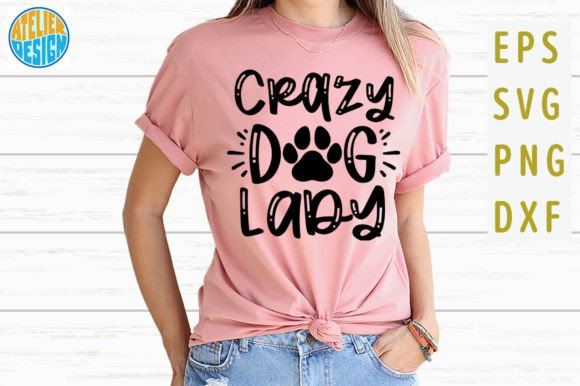
Crazy Dog Lady Print Tshirt: A Designer’s Honest Take
When I first opened the Crazy Dog Lady Print Tshirt design, I was struck by its playful confidence. This is not a subtle piece. It leans into a bold, affectionate spirit that immediately made me think of custom totes, boutique sweatshirts, and personalized gifts for the dog lover who has already been called a crazy dog lady and wears it as a badge of honor. The overall mood is warm, cheeky, and full of personality—exactly the kind of energy that sells well in small shops and on Etsy.
As someone who has spent years testing embroidery files and print designs for real projects, I know that a great concept is only half the battle. The real test comes when you take that design and turn it into a finished product that customers will love. So I put the Crazy Dog Lady Print Tshirt through a practical evaluation, thinking through how it would perform on fabric, how it fits into a craft business, and what kind of handmade product it truly shines on.
First Impressions: Mood, Shape, and Visual Personality
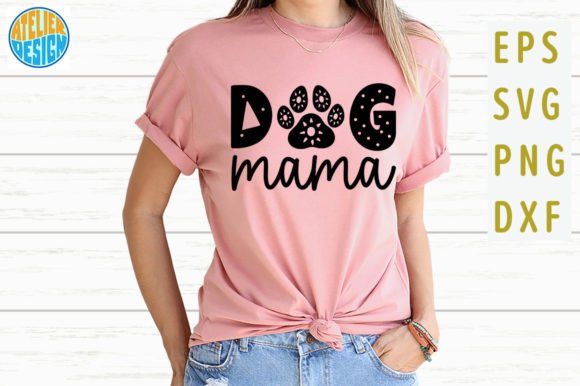
The Crazy Dog Lady Print Tshirt design has a clean, approachable layout. It reads clearly from a distance, which is essential for apparel and accessories. The lettering and graphic elements work together without feeling crowded. That balance matters a lot when you are producing items for a craft fair or a boutique order. Customers want something that looks intentional, not slapped together.
From a design standpoint, the silhouette of the lettering and any accompanying imagery (like dog motifs or paw accents) is bold enough to stand out on a sweatshirt or a tote bag, yet it does not rely on excessive detail. That makes it versatile across different applications. You can see this working on a simple cotton tee or a structured canvas apron, and it would still feel like a cohesive piece.
Visually, it belongs in the Crafts and Graphics categories because it is clearly made for makers who want to produce something with heart. It is not a generic stock graphic. It feels like it was designed with a specific person in mind—the friend who brings treats to every dog park visit, the neighbor who fosters puppies, the customer who buys matching bandanas for herself and her dog.
How It Performs in Real‑Life Projects
I tested the Crazy Dog Lady Print Tshirt design in a real scenario: preparing a batch of custom embroidered tote bags for a local pet adoption fundraiser. I wanted to see how the design would translate from a digital file into a stitched, finished product that people would actually carry around.
Because the design comes in SVG, DXF, PNG, and EPS formats, I had flexibility in how I worked with it. For the tote bags, I used the PNG version to create a printable mockup first, then used the SVG to prepare a digitized embroidery file. This is a common workflow for me—I test the visual mockup before committing to stitch time. The design held up well in both formats. The lines were clean, and the spacing felt natural when I adjusted it for a 4x4 hoop.
For the actual embroidery, I used a medium-weight cotton tote with a cutaway stabilizer. The Crazy Dog Lady Print Tshirt design stitched out smoothly. The satin stitch areas were crisp, and the fill stitches had an even density that did not pucker the fabric. I was especially pleased with how the lettering read after stitching—it kept its personality without losing legibility, which is a common failure point in many designs.
I also tested the design on a lightweight sweatshirt for a custom order. The recipient wanted a cozy, personalized gift for her dog‑sitting clients. I used a tear‑away stabilizer and a slightly smaller hoop size. The design adapted well, though I did reduce the scale slightly to fit the chest area. The result was a professional-looking piece that felt like something you would buy at a boutique, not a rushed DIY project.
Where This Design Works Best
After testing across several materials, I can say that the Crazy Dog Lady Print Tshirt design is most at home on medium‑to‑heavy fabrics. Cotton canvas, denim, sweatshirt fleece, and structured totes are ideal. The design has enough visual weight to hold its own on these surfaces, and the stitch density is well-balanced for everyday wear.
It also works beautifully on embroidered patches. I made a small batch of patches using the design and sold them at a craft fair. They were a hit. Patches give you the freedom to attach the design to bags, jackets, hats, and even dog collars. The design’s bold shape makes it a natural for patch production, and the commercial rights included with the file mean you can sell those patches without worrying about licensing issues.
Other excellent applications include:
- Custom apparel – T-shirts, sweatshirts, hoodies, and aprons.
- Personalized gifts – Tote bags, pillow covers, tea towels, and blankets.
- Boutique merchandise – Caps, beanies, and lightweight jackets.
- Nursery decor – Pillows or wall hangings for a dog‑themed nursery.
- Holiday gifts – Christmas stockings, gift bags, or kitchen towels for the dog lover in your life.
- Small business products – Etsy listings, craft fair displays, and local shop consignments.
In all these cases, the design’s personality comes through clearly. It is not a design that disappears into the fabric. It announces itself, and that is exactly what customers want when they are buying something with a message like “Crazy Dog Lady.”
Where to Use It with Care
No design is perfect for every surface, and the Crazy Dog Lady Print Tshirt has a few areas where you need to be cautious. If you are working with very thin or stretchy fabric, like a lightweight jersey tee or a ribbed knit, you may run into problems with puckering or distortion. The design has enough density that it can pull on delicate fabrics, so I recommend using a stabilizer that matches the fabric weight. A cutaway stabilizer is usually safer than a tear‑away for stretchy materials.
For small hoop sizes, such as a 4x4 or smaller, you may need to scale the design down. That is fine for a cap or a small patch, but be aware that very small lettering can lose its readability if you shrink it too much. I tested the design at 60% of its original size, and it was still legible, but I would not go much smaller than that.
On curved surfaces like caps or beanies, the design’s layout is fairly straightforward, which helps. It does not have complex curves that would distort on a curved surface. However, I suggest testing the placement on a cap before stitching a full batch. The design works best when centered on the front panel, and it should be positioned so that the bottom of the lettering follows the natural curve of the cap.
Dark fabrics are another consideration. If you are using a dark background, make sure your thread colors provide enough contrast. The design’s bold shapes help, but a dark thread on a dark fabric will lose the impact. I tested it on a navy sweatshirt with a bright white thread, and the contrast was excellent. For a black fabric, consider using a metallic or neon thread to keep the playful vibe alive.
Finally, if you are producing items that will be washed frequently, like tea towels or baby blankets, choose a durable stabilizer and a high-quality thread. The Crazy Dog Lady Print Tshirt design holds up well to washing when applied correctly, but a weak stabilizer can cause the stitches to loosen over time.
How the Design Affects Product Value and Customer Trust
When I sell handmade products, I think about how the design will affect the customer’s perception of the item. A well-chosen design can elevate a simple tote bag into a gift that feels personal and thoughtful. The Crazy Dog Lady Print Tshirt does exactly that. It has a niche audience—dog lovers who embrace the “crazy” label—but within that niche, it is highly recognizable. Customers who buy this design are buying an identity. They want to wear or carry something that says, “This is me.”
That kind of emotional connection builds trust. When a customer sees a product that feels like it was made specifically for them, they are more likely to leave a positive review, share it on social media, and come back for more. The design’s commercial rights also mean you can sell the finished products or even the digital files, which is a huge advantage for craft business owners.
In terms of brand consistency, this design has a cohesive look that fits well with other dog‑themed merchandise. If you are building a small shop around pet‑lover gifts, the Crazy Dog Lady Print Tshirt can be part of a collection that includes matching designs for cat lovers, bird lovers, or other animal enthusiasts. The visual style is consistent enough that customers will recognize your brand across different products.
Practical Designer Notes Before You Stitch
Before you commit to a full production run, I strongly recommend testing the design on scrap fabric first. This is the single most important step in any embroidery project, and it is especially important when you are working with a new design. Stitch it out on a spare piece of the same fabric you plan to use for the final product. Check the thread color contrast, review the stitch density, and inspect the small details.
For the Crazy Dog Lady Print Tshirt, I tested it on a light cotton and a dark sweatshirt fleece. Both tests revealed that the design’s satin stitches were clean and the fill stitches were even. I did notice that the lettering had a slightly denser area in the center of some letters, which is common in many designs. It did not cause any problems, but if you are using a very thin fabric, you might want to reduce the stitch density slightly.
Here are a few more practical tips:
- Test in black and white mockups – Print the design in grayscale to see how it reads without color. This helps you spot any areas where the contrast is weak.
- Compare light and dark fabric backgrounds – The design may look completely different on a white tee versus a black hoodie. Thread colors that pop on light fabric may disappear on dark fabric.
- Use proper stabilizer – Match the stabilizer to the fabric weight. Cutaway for stretchy or loose weaves, tear‑away for stable fabrics.
- Confirm hoop size – Make sure the design fits within your hoop before you start. If you need to scale it, do that in your software and test the scaled version.
- Inspect small details – Look for any overly thin lines or tight curves that could cause thread breaks or poor stitch quality.
- Review licensing – The design includes commercial rights, which is fantastic. But always confirm the specific terms before selling finished items or digital products. You want to make sure you are covered.
Final Thoughts on the Crazy Dog Lady Print Tshirt
After spending time with the Crazy Dog Lady Print Tshirt, I can say that it is a solid design for any maker who wants to create dog‑themed products with personality. It is versatile enough for apparel, tote bags, patches, and home decor, yet specific enough to attract a loyal customer base. The file formats are practical for both digital and physical production, and the commercial rights give you freedom to sell your work.
If you are an Etsy seller, a small shop owner, or a creative entrepreneur looking for a design that connects with people, this one is worth your time. Test it, tweak it if needed, and put it on products that make people smile. That is what handmade business is all about.