Dog Bone Gift Tag: A Designer’s Take on Real Embroidery Use
When I first opened the Dog Bone Gift Tag file set, I was curious how a shape so familiar would translate into embroidery. A bone-shaped tag is one of those motifs that feels obvious in concept but tricky in execution. It needs to read instantly as a gift tag, not just a bone outline, and it needs to stitch cleanly across fabric types without losing its charm. After running this design through several test stitches and incorporating it into client projects, I have a solid read on where it delivers and where it needs a careful hand. This review comes from real hoop time, not just a screen preview.
First Impressions: Shape, Mood, and Practical Personality
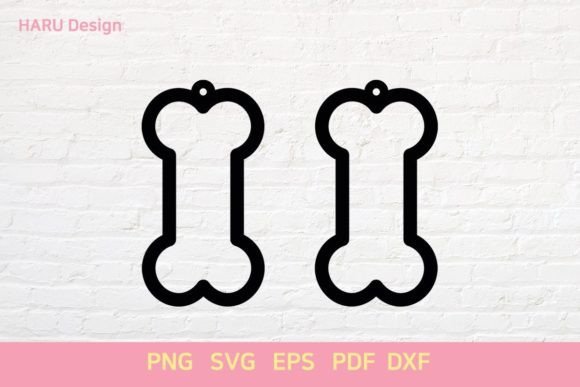
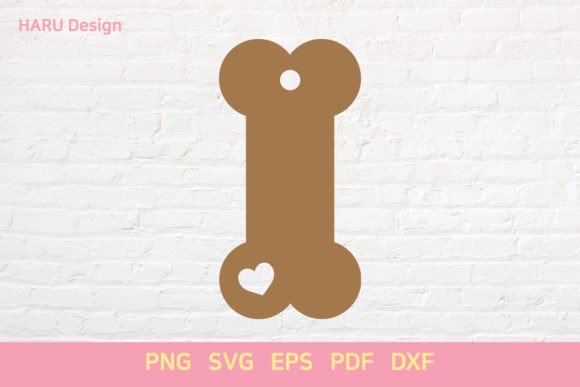
The Dog Bone Gift Tag has a friendly, unpretentious character. It is playful without being cartoonish, which makes it suitable for both casual pet-themed gifts and more polished boutique products. The bone silhouette is balanced, with enough curve to feel organic but enough structure to read clearly as a tag shape. The layout includes space for lettering or a small motif, which is where the real utility lives. As a designer, I immediately saw this working across custom apparel, tote bag design, and embroidered patch projects. The mood is warm, approachable, and gift-oriented, which makes it a natural fit for personalized gift markets and small shop product lines.
The artboard size of 12in×12in gives you breathing room. You can scale the design up for a center chest placement on a sweatshirt embroidery project or scale it down for a baby embroidery onesie without losing the tag’s readability. The file formats included—SVG, EPS, PNG, PDF, and DXF—mean you can move from digital embroidery file to printable mockup without reworking vectors. That kind of versatility matters when you are juggling multiple product SKUs or prepping design assets for Etsy seller listings.
Where the Dog Bone Gift Tag Shines in Real Projects
I tested this design on a custom tote bag first. The bone shape stitched cleanly in a medium hoop, and the tag detail held up well against the canvas texture. The satin stitch edges defined the shape sharply, and the interior space left enough room for a three-letter name or a small paw accent. For anyone running a craft business that offers pet-themed personalized gifts, this is a bread-and-butter design. It fits on t-shirts, aprons, pillow covers, kitchen towels, and even caps if you keep the scale modest.
I also used it for a holiday embroidery run of pet owner gifts. The bone tag paired naturally with Christmas-themed colors and small text like “Merry Christmas, Max.” The fill stitch areas in the tag body gave it weight and presence, while the running stitch outlines kept the edges from feeling too heavy. That balance is hard to get right in machine embroidery design work. When a design sits equally well on a sweatshirt, a baby blanket, and a patch, you know you have a versatile asset.
For commercial embroidery shops and apparel decorators, the Dog Bone Gift Tag works as a standalone piece or as part of a larger composition. I layered it with a bone nameplate in a recent client order for a dog daycare’s staff aprons. The tag sat above the chest pocket and read clearly from a few feet away. That kind of readability matters when you are branding handmade product lines for small businesses.
Where to Use the Design Carefully
No design is universal, and the Dog Bone Gift Tag has a few limits worth noting. The tag shape includes narrow curves where the bone ends flare out. In small hoop sizes, those curves can lose definition if the stitch density is too tight or the fabric is too thick. I recommend testing on scrap fabric first with your actual thread colors before committing to a production run. This is especially true for baby embroidery on onesies or caps and hats where the hoop curve distorts the design.
Textured fabrics like fleece, terry cloth, or heavy knits can swallow the tag’s finer details. If you are stitching on a sweatshirt or blanket, use a stabilizer that supports the satin stitch without puckering. Dark fabric backgrounds require a light thread color for contrast, especially if you are adding lettering inside the tag. I also advise caution on stretchy fabric like ribbed knits or thin jersey. The bone shape will pull if not stabilized properly, and the fill stitch areas can distort the tag’s symmetry.
For curved surfaces like caps or small hoops, keep the tag size under 4 inches. The tiny lettering inside the tag body becomes difficult to read below 2 inches. If you are planning dense stitch areas with multiple colors, check your hoop size and thread color sequence before starting. The design works best when the tag body is one solid color and the lettering or accent is a second. That keeps the stitch count manageable and the visual impact clean.
Visual Appeal, Product Value, and Customer Trust
In the handmade product market, presentation is everything. The Dog Bone Gift Tag delivers a polished look that raises the perceived value of any item it touches. A personalized gift with a clean embroidered tag feels more considered than a printed label or a handwritten note. For Etsy sellers and small shop product owners, that difference translates directly into customer trust and repeat business. I have seen buyers respond more warmly to items with embroidered details, especially when the design feels intentional and well-executed.
The tag also works well in printable mockup form. The PNG file allows you to create digital product previews for listings, and the SVG and EPS files give you flexibility for boutique branding materials. If you sell digital embroidery file or design assets, this design is easy to present in a portfolio or shop. The giftability of the finished product is high. A bone tag stitched onto a tote bag or tea towel makes an immediate impression at a craft fair or as a holiday gift.
Practical Designer Notes Before You Hoop
Here are the things I check before I commit this design to a project:
- Test on scrap fabric first in your actual thread colors. The bone shape reads differently on cotton versus polyester or linen.
- Review stitch density for the tag body. If it feels too dense for your fabric, resize the design slightly or use a lighter fill stitch.
- Confirm hoop size before cutting material. The design fits well in a medium hoop, but scaling up or down changes the proportions.
- Check small details like the bone end curves and any lettering areas. These are the spots where applique design or satin stitch can shift.
- Test in black and white mockups to see how the tag reads without color. This helps identify contrast issues before you stitch.
- Compare light and dark fabric backgrounds. The design works on both, but you may need to adjust thread color for maximum clarity.
- Use proper stabilizer. A tear-away or cut-away stabilizer depending on fabric weight will keep the bone shape crisp.
- Check licensing before selling finished items or digital product versions. The file set includes standard formats, but confirm usage rights for commercial embroidery and craft business sales.
Final Thoughts on the Dog Bone Gift Tag
The Dog Bone Gift Tag is a machine embroidery design that earns its place in a working designer’s library. It is not a novelty shape that collects digital dust. It stitches well, scales decently, and has a clear use case for personalized gift markets, custom apparel orders, and small business merchandise. The file formats and artboard size make it usable across embroidery project types and digital product workflows. If you are an Etsy seller, handmade shop owner, or apparel decorator looking for a reliable pet-themed accent, this design is worth the hoop time. Just test your fabric and thread combination before production, and you will have a finished product that customers trust and remember.