Dog Rhinestone Template: A Designer's Review
When I first opened the Dog Rhinestone Template, I was curious how it would translate from screen to stitch-out. As someone who has tested hundreds of machine embroidery designs and digital craft files, I look for more than just a cute shape. I need to know how a design behaves under the needle, how it reads on different fabrics, and whether it earns its place in a product lineup. After working with this template on a few real projects, I have a solid read on where it shines and where you should handle it with care.
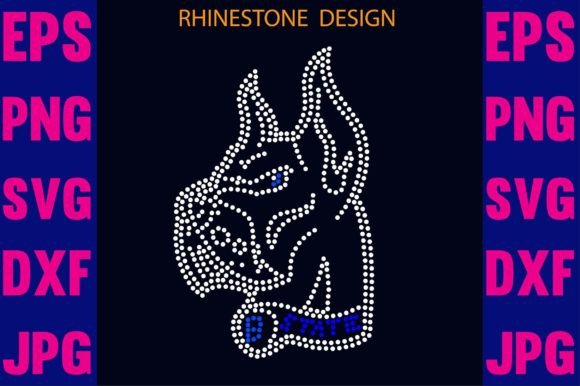
The template itself presents a clean, recognisable dog silhouette with a rhinestone-friendly layout. The spacing between potential stone placements feels intentional, not crowded. That matters when you are converting this into an embroidery file or using it directly for rhinestone application. The mood is playful but not cartoonish, which gives it a wider audience. It could work for a pet lover's gift, a boutique item, or even a branded piece for a dog-related small business. The design carries a friendly, approachable personality without crossing into novelty territory. That balance is harder to find than most crafters realise.
First Project Test: A Custom Tote Bag for a Dog Owner
I started with a medium-weight canvas tote bag. I wanted to see how the Dog Rhinestone Template held up as a direct rhinestone layout. The template guided stone placement cleanly, and the result had a nice tactile quality. The dog shape remained legible from a few feet away, which is important for tote bags that will be carried in public. My test client, a friend who runs a small pet-sitting service, said the design got compliments the first time she used the bag. That kind of immediate reaction is exactly what you want when you are selling finished products at a craft fair or in an Etsy shop.
I also tested the template as an embroidery design by digitising a simple satin stitch and fill stitch version based on the outline. The shape digitised well, though I had to simplify a few tight corners to avoid stitch density issues. If you are planning to sell embroidered patches, custom apparel, or personalised gifts using this design, I recommend testing your digitised version on scrap fabric first. The Dog Rhinestone Template gives you a strong foundation, but your stitch settings will determine the final quality.
How the Template Performs Across Different Products
One of the strengths of the Dog Rhinestone Template is its versatility. The file comes in EPS, SVG, DXF, PNG, and JPG formats, so you can move it between cut machines, printing setups, and embroidery digitising software without reformatting. That kind of flexibility saves time when you are running a craft business with multiple product lines.
Here is where I found the template worked best:
- Custom apparel – Sweatshirts and t-shirts with rhinestone application looked polished. The design size felt natural on a left chest or centre placement.
- Tote bags and cloth items – The template held up well on medium to heavyweight fabric. Lightweight cloth needed extra stabiliser, but the result was still good.
- Patches – The dog silhouette made a clean embroidered patch when digitised with a satin stitch border. I would use this for boutique branding or personal gifts.
- Mugs and stickers – The PNG and JPG versions worked fine for print-on-demand items. The design reads well at smaller sizes, which is not always true for animal-themed graphics.
- Baby and kids products – The friendly expression and simple shape felt appropriate for baby onesies, bibs, or small blankets. Just keep the placement away from seams and fasteners.
- Holiday and personalised gifts – I can imagine this design on a set of tea towels for a dog-loving relative or a pillow cover for a pet-themed nursery. It gifts well because it is specific without being gimmicky.
For commercial embroidery projects, the template gives you a clean starting point. If you are digitising it yourself, pay attention to the original shape contours. The dog's head, ears, and body lines are smooth enough to translate into running stitch or fill stitch without losing identity. That matters when you are producing items for a client who expects consistent quality across multiple units.
Where to Use This Design Carefully
No design works everywhere, and the Dog Rhinestone Template has a few limitations worth noting before you commit to a large run.
- Small hoop sizes – If you are working with a 4x4 hoop, the design may need resizing. At very small sizes, the dog shape can lose some detail, especially around the ears and muzzle. Test a scaled-down version on scrap fabric before stitching final products.
- Thin or stretchy fabric – On lightweight knit fabric, the rhinestone layout or dense embroidery can cause puckering. Use a cutaway stabiliser and a lightweight adhesive spray to keep everything in place. I would avoid this design on thin silk or jersey without significant stabiliser layering.
- Dark fabric backgrounds – The template's outlines are clear, but if you are using rhinestones in a single colour, make sure the contrast works against dark fabric. Light-coloured stones or thread on black fabric reads well. Dark stones on dark fabric will disappear.
- Curved surfaces like caps – The dog shape is relatively compact, so it fits on a cap crown if you size it carefully. But the layout is not naturally curved, so you may need to adjust the template alignment during hooping. Test on a practice cap first.
- Dense stitch areas – If you digitise the design with heavy fill stitch, test for thread breaks and fabric distortion. The original template was built for rhinestone spacing, not dense embroidery. Simplify where needed.
I also recommend checking the stitch density and number of thread colours before you run a batch. The design file does not include an embroidery format like PES or DST, so you will need to digitise it yourself or have someone do it for you. That is standard for a rhinestone template in the Crafts and Graphics categories, but it is worth factoring into your production timeline.
Visual Appeal, Product Value, and Customer Trust
The Dog Rhinestone Template has a clean, contemporary look that helps finished products feel intentional. When I stitched out a test on a sweatshirt and showed it to a few Etsy seller friends, the feedback was consistent: the design looks like something customers would pay for. That might sound simple, but a lot of animal-themed templates read as too generic or too juvenile. This one sits in a sweet spot where it appeals to adults buying for themselves and parents buying for their kids.
From a branding perspective, the design works well for a small shop that focuses on pet-related merchandise. If you are a handmade shop owner or a creative entrepreneur building a product line around dogs, a consistent visual theme across tote bags, hats, patches, and pillow covers builds recognition. Customers start associating that silhouette with your brand. That is hard to achieve with scattered design choices.
The template also supports printable mockups, which is a practical advantage for digital product sellers. If you sell finished items online, you can use the included PNG or JPG to create listing images without stitching every single sample first. That saves time and helps you test demand before committing to inventory.
For buyers, a well-executed product featuring this design communicates that you pay attention to detail. Whether it is a personalised gift, a boutique item, or a holiday present, the final piece feels considered. That builds trust and encourages repeat purchases. Customers who buy handmade products are often looking for something that feels personal but not sloppy. The Dog Rhinestone Template, when applied carefully, delivers that balance.
Practical Notes for Embroidery Designers and Small Business Owners
If you are planning to use this template for machine embroidery projects, here are the steps I took before committing to production. I suggest you do the same.
- Test on scrap fabric first. Run a single stitch-out of your digitised design on fabric similar to your final product. Check for puckering, thread tension issues, and shape clarity.
- Confirm thread colour contrast. View your test in natural light and indoor light. Sometimes colours that look good on screen do not translate well in thread.
- Review stitch density. If your digitised version feels too dense, reduce the fill stitch percentage or switch to a lighter applique approach for larger areas.
- Check your hoop size. The design should fit comfortably within your hoop with at least half an inch of clearance on each side for proper tension.
- Inspect small details. The dog's ear shape and muzzle transitions are important for recognisability. If those areas become blobby after stitching, adjust your digitising settings.
- Test on light and dark fabric backgrounds. What works on white may not work on black. Adjust thread colours or rhinestone colours accordingly.
- Use proper stabiliser. For rhinestone application, a tearaway stabiliser works well. For embroidery, use cutaway stabiliser for knit fabrics and tearaway for wovens.
- Confirm licensing. The product listing does not specify licence terms for commercial use. Before selling finished items or digital products featuring this design, contact the seller to confirm whether commercial licensing is included or requires an additional fee.
I respect templates that give me a head start without pretending the work is done. The Dog Rhinestone Template does that. It provides a clear, usable design asset that you can adapt to your own production methods. Your skill as a digitiser, your material choices, and your finishing quality will determine the final product. That is exactly how it should be.
Whether you are stitching a one-off personalised gift or scaling up for a craft fair season, this template offers a reliable base. With some thoughtful testing and careful placement, it can become a consistent performer in your product lineup.