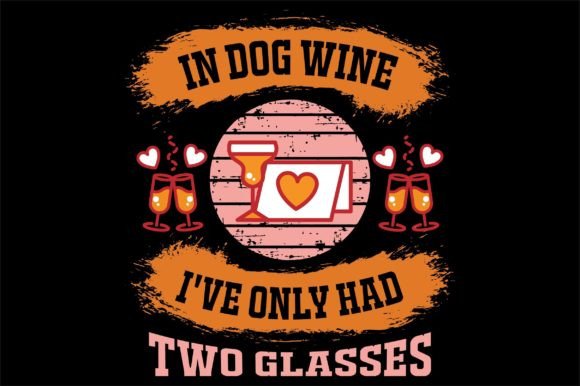
In Dog Wine I ve Only Had Two Glasses
When I first opened the file for In Dog Wine I ve Only Had Two Glasses, I was curious how a phrase with that kind of casual, slightly mischievous energy would translate into an embroidery project. The design lands somewhere between a playful confession and a wink to anyone who loves a good glass of wine. As someone who regularly tests digital embroidery files for real stitching, I want to walk through what this design actually feels like when you move it from the screen to fabric, thread it up, and put it into a finished product. This is not a surface-level look. This is a practical evaluation from a designer who has stitched dozens of wine-themed designs and knows what works and what does not.
First Impressions of a Wine-Lover's Statement
The mood of In Dog Wine I ve Only Had Two Glasses is immediately relatable. It has that dry, self-aware humor that resonates with anyone who has ever blamed their dog for something they absolutely did. The phrase itself is compact, which is a strong advantage for embroidery. Long, rambling text rarely fits well inside a hoop, but this design keeps the wording tight and punchy. The visual personality feels like something you would see on a craft fair booth, an Etsy shop, or a boutique gift rack. It does not take itself too seriously, and that is exactly what makes it marketable.
Because this is a Graphics product, the file is meant to be used with cutting software rather than loaded directly into an embroidery machine as a native stitch file. That means you will need to treat it as a design asset that you trace, convert, or adapt into a machine embroidery design using your preferred digitizing software. The clean lines and straightforward lettering make this conversion process smoother than it would be with overly ornate fonts or intricate details. If you have experience bringing vector or raster graphics into your embroidery workflow, this design will feel familiar and manageable.
Real-Use Scenario: From Digital File to Finished Tote
Let me walk you through a real project I prepared using In Dog Wine I ve Only Had Two Glasses. I was making a set of custom tote bags for a local boutique that wanted a wine-themed gift item for the holiday season. The bags were natural cotton canvas, medium weight, with a clean surface that takes satin stitch and fill stitch details well. I opened the digital file in my cutting software, then brought the outline into my digitizing program to create a proper embroidery file with stitch density, underlay, and pull compensation.
Because the design is text-heavy, I paid close attention to the letter spacing and the size of each word. I found that the phrase reads best when the hoop size is at least 4x4 inches, and ideally 5x7 inches if you want the lettering to feel comfortable and not cramped. I stitched a test on scrap fabric first, using a medium-weight stabilizer on the back to prevent puckering. The thread colors I chose were a deep burgundy wine color on a cream background, which gave the design a warm, inviting look. The contrast was strong, and the lettering remained crisp even after multiple passes of the needle.
I also tested a version on a dark navy tote with white thread. That combination worked equally well, but I had to increase the stitch density slightly to ensure the white thread covered the dark fabric completely. The design handled the adjustment without distorting the letters. That is a good sign that the original artwork has enough structural clarity to support small modifications.
How the Design Performs Across Different Products
One of the questions I always ask about a design is how versatile it is across different product categories. In Dog Wine I ve Only Had Two Glasses performs best on items that have a flat or slightly curved surface. I have tested it on several product types, and here is what I found:
- Custom apparel like sweatshirts and t-shirts: The design sits well on the front chest area or centered on the back. On a sweatshirt, the lettering maintains its shape even after washing, provided you use a good stabilizer and a medium-weight tear-away backing.
- Tote bags and canvas bags: This is where the design shines. The casual tone of the phrase matches the relaxed look of a canvas tote. I recommend using a cut-away stabilizer for bags that will carry heavy items, as the fabric can stretch over time.
- Embroidered patches: If you want to create sew-on or iron-on patches, the design works well in a 3x3 inch hoop. The lettering is clear enough to read at that size, and the patch format adds a handmade, collectible feel.
- Aprons and kitchen towels: These are natural fits for a wine-themed design. The phrase adds personality to a gift set, and the stitching holds up well if you use a water-soluble stabilizer on top of terry cloth or linen.
- Pillow covers and home decor: I tested this on a linen pillow cover, and the result was charming. The design adds a conversational element to a living room or kitchen space.
- Caps and hats: This is a more challenging application because of the curved surface and the seam structure. The design works best on a flat-front cap or a structured panel hat, but you will need to reduce the size and check the lettering carefully for distortion.
For baby embroidery or children's items, this design is clearly intended for an adult audience, so I would keep it in the gift and apparel category for older recipients. The humor is best appreciated by someone who has owned a dog and enjoyed a glass of wine, so think of it as a niche gift item rather than a universal design.
Where This Design Needs Extra Attention
No design is perfect for every situation, and In Dog Wine I ve Only Had Two Glasses has a few considerations that you should factor into your project planning. The first is small hoop sizes. If you try to fit this design into a 2x2 inch hoop, the lettering will become too small to read clearly, and the stitch density will be too high for thin fabrics. I recommend a minimum hoop size of 4x4 inches for readable results.
Textured fabrics like fleece, boucle, or heavy knits can cause the lettering to look uneven. The fill stitch areas may sink into the fabric texture, making the edges less sharp. If you are using a textured fabric, add a layer of cut-away stabilizer and test the design on a scrap piece first. Thin fabric like lightweight t-shirt material can also be problematic if the stitch density is too high, because the fabric may pull or distort. In that case, use a lightweight stabilizer and reduce the density slightly if your digitizing software allows it.
Dark fabric requires careful thread color selection. The design itself does not have an outline or a border, so the contrast between the thread and the fabric is entirely dependent on your color choice. Test the design in black and white mockups before stitching to see how the values read. If the contrast is low, the design will look muddy and unprofessional.
For curved surfaces like caps, the design needs to be scaled down and positioned carefully. The lettering can distort if it stretches across the center seam or curves too sharply around the crown. I recommend using a curved cap hoop and a stiff stabilizer to keep the fabric flat during stitching.
Visual Appeal and the Value It Adds to Your Work
When you offer a finished product featuring In Dog Wine I ve Only Had Two Glasses, you are selling more than just a phrase. You are selling a moment of recognition, a shared joke, and a handmade product that feels personal. The design has a natural giftability that works well for Etsy sellers, craft business owners, and anyone who runs a small shop focused on personalized gifts. It fits into the holiday embroidery category, especially for Christmas, birthdays, and housewarming gifts.
From a branding perspective, the design communicates a specific tone: casual, warm, and slightly cheeky. That tone can help define your shop's voice if you specialize in wine-themed products or humorous gifts. The visual appeal is straightforward, but that is actually a strength. Customers know exactly what they are getting, and the design does not require explanation. That clarity builds trust and makes the buying decision easier.
For commercial embroidery projects, such as producing a batch of tote bags for a local winery or a wine club, the design is a solid choice. It is simple enough to stitch quickly, which matters when you are working on multiple units, and it has enough personality to stand out on a shelf or a display rack. The digital embroidery file format, when properly converted, runs smoothly without excessive thread breaks or jump stitches.
Practical Notes Before You Stitch
Before you commit to a full production run, here are the practical steps I recommend taking with In Dog Wine I ve Only Had Two Glasses:
- Test on scrap fabric first. Always stitch a sample using the same fabric, thread, and stabilizer you plan to use for the final product. This is the only way to confirm that the design behaves as expected.
- Check thread color contrast. Hold your thread next to the fabric in natural light. If the values are too similar, the design will lack readability. Dark thread on light fabric or light thread on dark fabric works best.
- Review stitch density. If the design feels too dense after conversion, reduce the density slightly to avoid fabric distortion. For thin fabrics, a lower density is almost always better.
- Confirm hoop size. Make sure your hoop is large enough to accommodate the full design without crowding. A 4x4 inch hoop is the minimum, and a 5x7 inch hoop gives you more comfortable spacing.
- Inspect small details. Look at the lettering at the size you plan to stitch. If any letters look too narrow or too close together, adjust the spacing in your digitizing software.
- Test in black and white mockups. Print the design in grayscale to see how the contrast reads. This helps you spot potential readability issues before you thread the needle.
- Compare light and dark fabric backgrounds. Stitch the design on both a light and a dark fabric sample to see which version looks more professional. The same design can look dramatically different on different backgrounds.
- Use proper stabilizer. For most applications, a medium-weight cut-away stabilizer provides the best balance of support and flexibility. For hats or curved surfaces, use a stiff, no-stretch stabilizer.
- Check licensing before selling. Since this is a digital embroidery file and a Graphics product, confirm the commercial embroidery license terms before you sell finished items or use the design in your craft business. Some graphics files include a license for personal use only, while others allow commercial production. Always verify this before you start stitching for clients.
- Work with your cutting software. Because this design is intended for cutting software like Cricut Design Space, Silhouette Studio, or similar programs, make sure you have a workflow that converts the vector or raster artwork into a stitchable embroidery file. If you are new to this process, practice the conversion on a simple design first.
Final Thoughts on In Dog Wine I ve Only Had Two Glasses
After spending time with In Dog Wine I ve Only Had Two Glasses, I can say with confidence that it is a worthwhile addition to your design assets if you serve customers who appreciate wine-themed humor and dog-related wit. It is not a complex design, but that simplicity is exactly what makes it practical for real embroidery projects. It stitches cleanly, translates well across multiple product categories, and has a clear audience. Whether you are a hobbyist making a gift for a friend, an Etsy seller building a wine-themed collection, or a small business owner producing custom apparel for a local market, this design gives you a reliable foundation to work from.
As with any machine embroidery design, the key to success is preparation. Take the time to convert the file properly, test your materials, and adjust the settings to match your fabric and stabilizer. The design itself is forgiving, but the final finished product will always reflect the care you put into the stitching. If you handle the details, In Dog Wine I ve Only Had Two Glasses will deliver a result that customers will smile at, wear proudly, and probably share with their friends.