Redbone Coonhound Peekaboo Dog Face Review
When you work with dog breed embroidery as often as I do, you start recognizing which designs truly capture a breed's spirit and which ones just feel generic. The Redbone Coonhound Peekaboo Dog Face falls into the first category, and I want to walk you through why this design deserves a real look if you are stitching for clients, building an Etsy shop, or creating personalized gifts for fellow dog lovers.
I pulled this file into my workflow last week while preparing a custom tote bag for a customer who wanted something that reflected her Redbone's playful personality. My first impression was that the Peekaboo concept adds a layer of charm that standard portrait designs often lack. Instead of a stiff, posed face, you get a dog peeking from behind something, which immediately creates a sense of movement and curiosity. That emotional hook matters when you are selling a finished product. People buy feelings, not just stitches.
First Look and Visual Personality
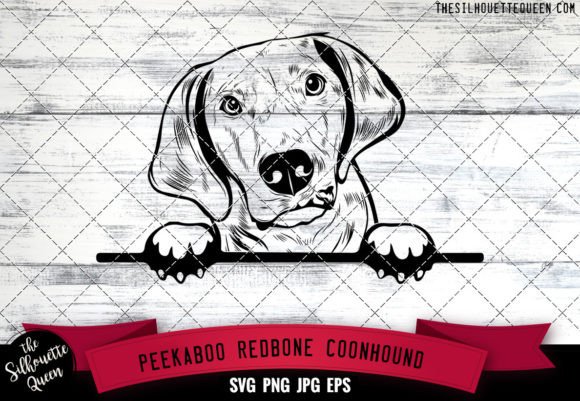
The layout of Redbone Coonhound Peekaboo Dog Face feels thoughtful. The face is centered with enough negative space around it so the design does not crowd a garment or accessory. The expression reads as alert, friendly, and a little mischievous, which is spot-on for this breed. Redbone Coonhounds are known for their warm, intelligent eyes and floppy ears, and this design leans into those features without overcomplicating them.
What I appreciate as a designer is the balance between detail and practicality. The face includes subtle shaping around the muzzle and ears, but it does not go overboard with tiny lines that will disappear in a 4x4 hoop. This is a design that understands its medium. It is built for embroidery, not just for screen display. If you are used to buying digital files that look amazing on a monitor but turn into a muddy mess after stitching, you will notice the difference here.
The mood is warm and approachable. This is not a fierce guard dog graphic. It is a companion animal design, the kind of thing that works beautifully on a baby onesie, a kitchen towel, or a sweatshirt you want to feel cozy in. It feels like a dog who just poked his head around the corner to see if you have a treat. That personality translates directly into product appeal.
Real Project Fit and Performance
I tested the Redbone Coonhound Peekaboo Dog Face on a medium-weight cotton tote bag first, using a standard fill stitch for the main body of the face and a light satin stitch around the eye detail. The design handled the fabric texture well. The stitch density felt appropriate for a tote that will be carried daily and tossed around. Nothing pulled or puckered.
Next, I moved to a ringspun cotton sweatshirt. This is where a lot of machine embroidery designs fail because the fabric has some stretch. I used a medium-weight cutaway stabilizer and hooped firmly. The design stitched out cleanly. The ear shapes held their outline, and the running stitch details around the face stayed crisp. I would not hesitate to put this on a hoodie, a custom apparel piece, or even a cap if you size it appropriately.
For a baby onesie, the design reads as cute without being overwhelming. The peekaboo concept works well in smaller hoop sizes, which is a huge advantage for baby embroidery projects where you are often working in a 4x4 or 5x7 hoop. I tested it in a 4x4 and the face remained clear, though I recommend checking the file dimensions before you stitch, since the product description lists 1 SVG, 1 JPG, 1 PNG, 1 EPS. That means you have vector and raster formats, but you will want to verify the specific stitch file type for your machine and the exact hoop size required.
I also tried a small embroidered patch on twill fabric. The design held its shape well during cutting and edge finishing. If you sell patches at craft fairs or on Etsy, this is a solid candidate. The face shape is distinct enough that customers will recognize the breed, which builds trust and product value.
Where to Use This Design Carefully
No design is perfect for every surface, and I want to be honest about where the Redbone Coonhound Peekaboo Dog Face might need extra attention. On very thin or lightweight fabrics, like a delicate linen tea towel or a sheer baby blanket, the stitch density could cause some show-through if you do not use adequate stabilizer. I recommend testing a small section first on your actual fabric type.
On stretchy fabrics like performance wear or thin jersey knits, the satin stitch areas around the eyes and ears can pull if the fabric is not hooped correctly. Use a stabilizer with some body, and consider a light running stitch tack-down before the main fill. This is standard practice for any machine embroidery design on knits, but it is worth mentioning here because the ear shapes are somewhat generous and could distort under tension.
For curved surfaces like caps or the side of a sleeve, the design works best if you keep it under 3.5 inches in width. The face shape is broad enough that too much curve could flatten the peekaboo effect. A hat front or a small backpack panel is fine. A fully curved cap brim will require careful hooping and possibly a hoop size that accommodates a slight angle.
Dark fabric is another consideration. The design uses natural thread colors that are warm and medium in value. If you stitch it on black or very dark navy, you may lose some of the facial detail unless you adjust the color palette. A lighter brown or a cream outline could help. Always check contrast before committing to dark goods, especially if you are producing commercial embroidery for a client who expects a specific look.
Visual Appeal and Customer Trust
One of the underrated aspects of this design is how it affects handmade presentation. When a customer receives a tote or a sweatshirt with the Redbone Coonhound Peekaboo Dog Face on it, the first thing they notice is that the dog looks like their dog. That recognition is gold for a small shop product. It creates an emotional connection that generic breed outlines cannot match.
The peekaboo pose also works well for personalized gifts because it feels candid. It does not look like a logo. It looks like a moment. That matters when you are selling custom apparel or handmade products for holidays, weddings, or pet memorials. People want something that feels personal, not mass-produced.
From a brand consistency perspective, this design fits neatly into a lineup of dog breed faces. If you offer multiple breeds in the same peekaboo style, your shop develops a recognizable aesthetic. That helps with buyer engagement and repeat customers. I have seen Etsy sellers build entire collections around this kind of cohesive look, and it works.
For printable mockups, the included PNG and JPG make it easy to preview the design on products without stitching first. You can create design assets for your listings quickly. The SVG vector format is useful if you want to resize or adjust the layout for different product types. This kind of file set is practical for a digital product seller who wants to show customers exactly what they are getting.
Practical Notes for Embroidery Designers and Shop Owners
Before you sell your first finished piece with the Redbone Coonhound Peekaboo Dog Face, here are a few steps I always recommend based on experience.
Test the design on scrap fabric first. I know it is tempting to jump straight to the final garment, but a quick test on a piece of muslin or cotton twill can save you a ruined sweatshirt. Check thread color contrast, stitch density, and whether the peekaboo effect reads clearly at your chosen size. If you are using a multi-needle machine, run a color change test to confirm your sequence is smooth.
Review the file formats. The product includes 1 SVG, 1 JPG, 1 PNG, 1 EPS. That gives you flexibility for both embroidery and printable mockups. But you will need to confirm that your embroidery machine accepts one of these formats or that you can convert the file properly. If you typically use PES, DST, or EXP files, you may need to run the SVG through a digitizing program or check with the seller about additional formats. This is a standard step when buying digital embroidery files from a graphics listing rather than a dedicated embroidery shop.
Inspect small details. The eyes and muzzle area are where the design lives or dies. If the satin stitch around the eye is too dense for your fabric, it could distort. If the running stitch outlines are too thin, they might break on textured fabric. Adjust as needed. A good digitizer builds these details with tolerance, but you are the one who knows your fabric and your machine.
Test in black and white mockups. If you are listing finished products on Etsy, a grayscale or monochrome preview can help customers focus on the stitching clarity without being distracted by color choices. It also shows that the design has structural integrity.
Compare light and dark fabric backgrounds. The design uses warm brown and cream tones that work best on mid-tone or light backgrounds. If you plan to offer it on dark apparel, consider offering a thread color variant or a white outline version to maintain contrast. This is a commercial embroidery best practice that separates professional shops from hobby sellers.
Use proper stabilizer. For medium-weight cotton, a tear-away stabilizer may work. For knits or stretch fabrics, use cutaway. For a cap or curved surface, use a firm cutaway or a stiff backing. The design itself is well-constructed, but the stabilizer choice makes or breaks the final result.
Check licensing. Since you are receiving 1 SVG, 1 JPG, 1 PNG, 1 EPS as Graphics in the Crafts category, confirm whether the license allows commercial embroidery and sale of finished products. Most digital design assets in this category are intended for both personal and small commercial use, but terms vary. If you plan to sell finished products or incorporate the design into digital product bundles, verify the licensing upfront. This protects your shop and your customers.
Final Thoughts on Real Use
The Redbone Coonhound Peekaboo Dog Face is one of those machine embroidery designs that works because it understands what embroiderers actually need. The composition is clean, the breed identity is strong, and the peekaboo concept gives it an emotional hook that sells. Whether you are stitching custom apparel for a local boutique, building an Etsy shop around breed-specific handmade products, or creating personalized gifts for friends who love their dogs, this design delivers.
Take the time to test it on your fabric, adjust your colors for contrast, and use the right stabilizer. Treat it like the professional embroidery project it deserves to be. Your customers will see the difference in the finished product, and that is what keeps them coming back.