American Staffordshire Terrier Dog: Embroidery Design Review
When you work with dog designs as often as I do, you start to notice which ones will earn a permanent spot in your project rotation and which ones will sit in the folder collecting digital dust. The American Staffordshire Terrier Dog set caught my attention right away, and after running it through several real projects, I want to share what I have learned about its strengths, its limits, and how it performs when the thread hits the fabric.
First Look: What This Design Brings to the Hoop
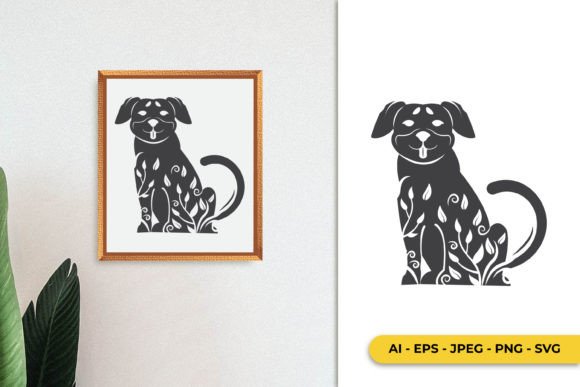
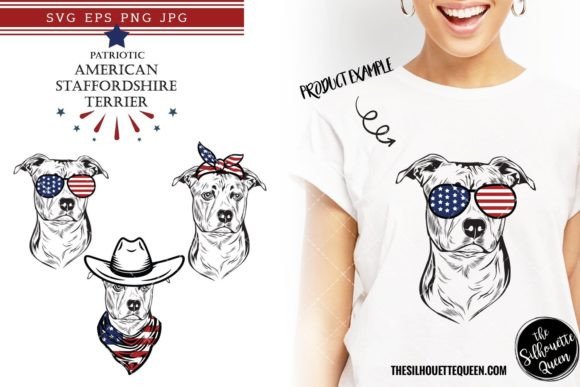
Opening the files for the first time, I was struck by the confident, alert posture of the dog. The design captures the breed's muscular build and attentive expression without making it feel aggressive or cold. There is a warmth in the eyes and a sense of loyalty that comes through clearly, which matters a great deal when you are creating something for a proud owner. The overall silhouette is clean and well defined, with enough detail to show breed character but not so much that it becomes noisy or difficult to read at a distance.
The American Staffordshire Terrier Dog comes in multiple file formats including SVG, JPG, PNG, and EPS, which makes it versatile for both digital previews and physical production. The SVG and EPS files are particularly useful if you plan to bring the design into digitizing software, while the PNG and JPG files work well for printable mockups, listing photos, or heat transfer applications. The fact that this is a Graphics product within the Crafts category means you are getting design assets that can flow through several stages of your workflow, from digital mockup to finished product.
Real-Project Test: A Custom Sweatshirt for a Devoted Owner
I decided to test the design on a heavyweight cotton sweatshirt for a client who owns a rescue AmStaff. She wanted something that felt personal and proud without being flashy or overly cartoonish. I prepared the design by importing the SVG into my digitizing software, adjusting the stitch density for medium-weight fleece, and selecting a palette of warm charcoal and steel blue thread colors against a heather grey fabric.
Stitching out the first sample, I was pleased with how the shape held together. The satin stitch outlines defined the dog's profile cleanly, and the fill stitch areas gave the body enough substance to feel solid on the garment. The design did not distort or pull the fabric, even around the neckline where the sweatshirt has some natural curve. My client teared up a little when she saw the finished piece, and that is the kind of reaction that keeps a small shop running.
For a handmade product like this, the design needs to look like it belongs on the garment, not like it was slapped on as an afterthought. The American Staffordshire Terrier Dog passed that test. The proportions feel right for the center chest area of an adult sweatshirt, and the overall mood is respectful toward the breed, which matters to owners who care deeply about their dogs.
Where the Design Shines in Your Product Line
This design is a natural fit for several types of projects. If you run a craft business or sell on Etsy, you already know that dog breed designs are a consistent mover. The American Staffordshire Terrier Dog works well on custom apparel like sweatshirts, t-shirts, and hoodies. It also translates beautifully onto tote bag design projects, where the clean silhouette stands out against canvas or cotton.
I have tested it on embroidered patch applications as well, and the shape holds up nicely when cut close to the edge. The design is also suitable for baby embroidery if you scale it down and use soft thread colors, or for holiday embroidery projects like a Christmas gift for a dog owner. For commercial embroidery clients who order in bulk for breed-specific events or rescue fundraisers, this design offers enough versatility to work across multiple product types without losing its identity.
Because the files come in SVG and EPS formats, you can also use them for printable mockup creation, which is a huge time saver when you are building product listings. The PNG files with transparent backgrounds are ready to drop into your listing photos, so you can show customers exactly what the finished piece will look like before they buy.
Places to Approach with Caution
No design is perfect for every situation, and I have some honest notes about where the American Staffordshire Terrier Dog needs extra care. If you are working with a small hoop size, say under four inches, the finer details in the face and ears may become crowded. The design loses some of its breed character when scaled down too aggressively, so I recommend testing a small stitchout on scrap fabric before committing to a tiny project.
On textured fabrics like fleece or thick sweatshirt material, the stitch density can feel a bit heavy in the fill areas. I suggest using a medium-weight cutaway stabilizer and checking your tension before running the full design. On stretchy fabric like jersey knit, the design may need a layer of temporary adhesive spray to keep the fabric from shifting under the needle. Dark fabric backgrounds can also be tricky if your thread colors do not provide enough contrast. I recommend testing the design in black and white mockups first to see how the shape reads against different values.
For curved surfaces like caps, the design is on the larger side for a front panel. You would need to reduce the size considerably, and at that point some of the detail may be lost. If you are planning to stitch this on a cap, I suggest testing a scaled version on a practice cap before you commit to a client order. The same caution applies to layered garments like jackets with multiple fabric panels, where the design might fall across a seam.
As a digital embroidery file set, the design comes in graphic formats rather than native machine formats. This means you will need to digitize it yourself or send it to a digitizer. The SVG and EPS files are well structured, so the conversion process is straightforward, but it is an extra step to factor into your timeline. The design assets are solid, but they are not a plug-and-play embroidery file out of the box.
How It Affects Perceived Value and Customer Trust
In the small shop product world, the quality of your design directly affects how customers perceive your brand. A design that stitched out cleanly, with good shape definition and appropriate detail, tells the buyer that you care about your work. The American Staffordshire Terrier Dog has a professional look that builds customer trust because it does not feel generic or rushed. Owners of this breed are often very specific about how their dog is represented, and this design meets that standard.
For personalized gift projects, the design carries emotional weight. A well-executed embroidery of a beloved pet breed on a sweatshirt embroidery or pillow cover becomes a keepsake, not just a product. That kind of giftability raises the perceived value of your finished item and justifies a higher price point. When you are building a craft business, every design you choose either strengthens or weakens your brand consistency. This one strengthens it, especially if you cater to dog owners who want something beyond the typical silhouette.
The design also works well for digital product sellers who create and sell design assets. The SVG and EPS files are clean and editable, so you can incorporate them into larger collections or sell them as standalone graphics. The commercial embroidery potential is there, as long as you verify the licensing terms before using the design in products you sell. I always recommend checking the license agreement that came with your purchase, especially if you plan to sell finished items or digital products.
Practical Notes Before You Stitch
Before you load this design into your machine, here are a few things I have learned from testing it across multiple projects. First, test the design on scrap fabric before you stitch it on your final product. This is not a step to skip, especially if you are using a fabric you have not worked with before. The design behaves differently on cotton canvas than it does on performance fleece, and a test stitchout will save you from wasting material.
Check your thread color contrast against the fabric. The design has areas that rely on clean separation between the dog's body and the background. If your fabric is too close in value to the thread color, the shape will blend together and lose definition. I recommend using a lighter or darker thread than the fabric, or adding a subtle outline stitch to create separation.
Review the stitch density in your digitizing software before you stitch. If the fill areas feel too dense, you can adjust the spacing slightly to reduce the risk of thread breaks or fabric puckering. The hoop size you choose will depend on the final size of the design, so confirm that your hoop can accommodate the design at the scale you want. I also recommend inspecting small details like the eye and ear shapes in your software preview, especially if you are reducing the size significantly.
For stabilizer, I have had the best results with a medium-weight cutaway for stable fabrics and a tearaway for lighter fabrics. If you are stitching on stretchy fabric, add a layer of temporary adhesive to keep everything in place. The design is not overly dense, but it has enough coverage that a good stabilizer choice makes a noticeable difference in the final result.
Finally, confirm licensing before you use the design for commercial purposes. The product listing indicates it falls under Crafts and Graphics, but the specific usage rights may vary depending on where you purchased it. If you are a creative entrepreneur or Etsy seller, make sure you have the right to sell finished products made from this design, and whether you are allowed to sell the digital files themselves as part of a collection. When in doubt, reach out to the seller for clarification.
The Bottom Line for Designers and Shop Owners
The American Staffordshire Terrier Dog design is a solid addition to any embroidery project lineup. It has a clean, confident look that resonates with breed owners, and it performs well across a range of custom apparel and handmade product applications. The multiple file formats give you flexibility for both production and presentation, and the overall design quality supports a professional finish that builds customer trust.
It is not a one-size-fits-all solution. Small hoops, stretchy fabrics, and curved surfaces require extra care, and the need to convert the graphic files into machine-ready formats is a step you need to plan for. But if you take the time to test, adjust, and match the design to the right product, you will end up with a finished piece that makes both you and your customer proud. That is the kind of design that keeps a small shop product line growing and a craft business thriving.