Dog Walks T-Shirt Designs: A Stitcher's Take on Real Use
As an embroiderer who regularly evaluates design assets before threading a needle, I look for graphics that combine clean construction with market appeal. The "Dog Walks T-Shirt Designs" set immediately struck me as a practical choice for the pet niche. I recently used it to fill a custom apparel order for a local dog walking service, and I want to break down how this design performs under real stitching conditions, where it adds value to a small shop, and what technical steps you need to take before making it a part of your finished product lineup.
First Look: Mood and Visual Personality
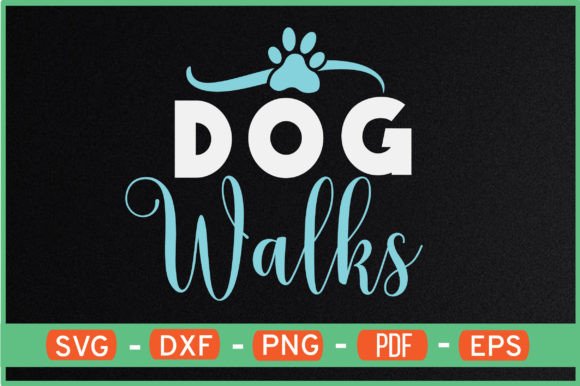
The design carries a modern, lifestyle-oriented aesthetic. The lettering has good rhythm, and the accompanying paw prints and leash icons feel distinct without being cartoonish. It strikes a balance between playful and professional, which matters when you are selling a personalized gift or building brand consistency a boutique product. The overall silhouette is clean and readable, which makes it a strong candidate for a variety of handmade products, from sweatshirt embroidery to tote bag design.
File Format Reality: SVG and DXF in an Embroidery Workflow
Let's be direct about what you receive. This purchase delivers an SVG file and a DXF file. These are vector graphics optimized for cutting machines like Cricut and Silhouette. They are not native machine embroidery design files. If you work exclusively with PES or DST formats, you have two options. The first is to use the graphics for heat transfer vinyl applied to a garment. The second, which I prefer for durability, is to import the SVG into digitizing software to create a custom embroidery file. Because the vectors are clean, the path lines translate well into a satin stitch border or a fill stitch. The DXF is particularly useful if you want to create an applique design, as it gives you an exact template for cutting fabric pieces.
If you are a Cricut user who also embroiders, you can combine both methods. Cut the base layer in HTV and then use a running stitch or a satin stitch to outline the shape on top. This hybrid approach works well for custom apparel that needs to hold up to frequent washing.
Real Project Testing: From Sweatshirts to Tote Bags
I tested a digitized version of this design on several common substrates to evaluate its practical performance.
Sweatshirt Embroidery: The bold lettering handled the loft of a medium-weight fleece without distortion. I used a 75/11 sharp needle and medium-weight cutaway stabilizer. The stitch density in the larger letter areas felt balanced. It did not create a stiff patch effect, which is important for a garment that needs to feel soft against the skin. This is a natural fit for custom apparel or a holiday gift for a pet owner.
Tote Bag Design: The design shines on canvas. Because tote bags benefit from structured stitching, I increased the pull compensation slightly and used a thicker tear-away stabilizer. The result was crisp and professional. A customer looking for a unique tote bag design would notice the difference between a print and a stitched finish. This builds product value and customer trust.
Baby Embroidery and Small Items: Scaling this design down for a baby onesie or a bib requires caution. The finer decorative details in the graphics can lose clarity in a 4x4 hoop. For smaller applications, I suggest isolating the core text element and omitting the smaller icons. The design still reads well, and you avoid the risk of dense stitching on delicate fabric.
Embroidered Patch: The vector outlines are clean enough to function as patch borders. I stitched the design onto felt using a dense satin stitch edge and trimmed it manually. The result was a patch that could be applied to caps, aprons, or bags. For an Etsy seller looking to expand a small shop product line, this is a practical way to use the design asset.
Where This Design Fits in a Craft Business
The "Dog Walks" theme naturally targets a specific audience, which is a strength. Pet owners are a reliable market for handmade products. This design works well for a craft business that caters to that niche. Consider using it for an embroidered apron for a dog groomer, a set of kitchen towels for a dog lover, or a personalized sweatshirt for a local client. The design feels intentional and boutique-ready, which helps you maintain brand consistency across your listings.
For commercial embroidery projects, the design's simplicity reduces production time. A single color digitized version stitches out quickly, which is a practical advantage when fulfilling a wholesale order. The design also translates well into printable mockups for digital product previews. You can show a customer exactly what the finished product will look like without stitching a sample.
Where to Be Selective with Use
Not every fabric is the right match for this design. On thin, stretchy tees, the stitch density can cause puckering if you do not use a soluble topper. Test the design on scrap fabric first. On dark fabric, choose a thread color that offers high contrast so the "Dog Walks" message reads clearly. If you plan to place the design on a curved surface like a cap, flatten the vector slightly in your software to prevent distortion. The finer details in the design should be checked in black and white mockups to ensure they remain visible at your intended scale.
Practical Designer Notes for Stitch-Out Success
Before you sew out a finished project, take these steps to ensure a professional result.
- Test on scrap fabric: Always run a test stitch on the actual fabric you plan to use. Check the stitch density and adjust pull compensation if needed.
- Thread color contrast: On light backgrounds, use a dark thread. On dark backgrounds, a bright white or metallic topstitch thread will make the design pop.
- Stabilizer choice: For garments that will see frequent washing, use a cutaway stabilizer. For rigid items like tote bags, a tear-away stabilizer is sufficient.
- Hoop size: A 5x7 hoop gives you comfortable breathing room. A 4x4 hoop works if you crop the design to the core text only.
- Inspect small details: The paw print icons in the design have fine negative spaces. If you scale the design down, those spaces can fill in with thread. Widen them slightly in your digitizing software if needed.
- Licensing check: Before you sell any finished product or use the design for commercial embroidery, confirm the license terms. Some design assets in the Graphics and Crafts categories have restrictions. Know the rules before you list your item on your Etsy seller shop.
The Verdict for Makers and Small Shop Owners
"Dog Walks T-Shirt Designs" is a versatile and well-constructed graphic that translates effectively into stitch form when you invest a little time in digitizing or prep work. It is not a ready-to-stitch machine embroidery design out of the box, but it is a strong design asset for anyone comfortable working with vector files. For the small business owner, craft business operator, or hobbyist maker, this graphic offers a clean, marketable look that customers respond to. It builds perceived value in your handmade products and supports a professional presentation that drives buyer engagement.